





Casino games have been a staple of entertainment for decades, with players flocking to land-based and online casinos to try their luck. However, beneath the glamour and excitement lies a complex web of psychology, strategy, and luck. In this article, we will delve into the world of casino games, exploring the strategies that work and those that don’t, as well as the psychological and emotional factors that influence our decision-making.
For those looking for a trusted online casino experience, Love Casino is a reputable option, offering a wide range of games and a secure gaming environment.
Understanding the Psychology of Casino Games: How Love and Luck Intertwine
Casino games are often associated with emotions such as excitement, thrill, and anticipation. However, beneath the surface lies a complex psychological landscape, where cognitive biases and emotional influences can significantly impact our decision-making. The allure of chance, the thrill of winning, and the agony of losing can all contribute to a potent mix of emotions, making it essential to understand the psychological factors at play.
Research has shown that emotional biases can lead to impulsive decisions, while cognitive biases can result in flawed reasoning. By recognizing these biases, players can take steps to mitigate their influence, making more informed decisions and improving their overall gaming experience.
The Allure of Chance: Why We’re Drawn to Casino Games
The allure of chance is a powerful draw, with the promise of instant wealth and the thrill of the unknown proving irresistible to many. Casino games such as slots, roulette, and blackjack offer a variable reward schedule, where wins are unpredictable and can occur at any time, keeping players engaged and motivated.
However, this allure can also lead to problematic behavior, with players becoming trapped in a cycle of addiction. It is essential to recognize the signs of problem gambling, such as chasing losses and ignoring responsibilities, and to seek help if necessary.
Emotional Biases and Decision-Making: Avoiding Common Pitfalls
Emotional biases can significantly impact our decision-making, with confirmation bias and anchoring bias being common pitfalls. By recognizing these biases, players can take steps to mitigate their influence, such as setting a budget and sticking to a strategy.
Additionally, bankroll management is essential, with players needing to balance their desire to win with the need to manage their risk. By diversifying their bets and setting stop-loss orders, players can minimize their losses and maximize their gains.
Strategic Approaches to Popular Casino Games: A Lover’s Guide
While luck plays a significant role in casino games, strategy can also be a powerful tool. The following table outlines some popular casino games, along with their strategy focus, risk level, and potential reward.
| Game | Strategy Focus | Risk Level | Potential Reward | House Edge (Approx.) |
|---|---|---|---|---|
| Blackjack | Basic Strategy, Card Counting | Medium | High | 0.5% – 1% |
| Roulette | Betting Systems (Martingale, etc.) | High | Medium | 2.7% (Single 0) / 5.26% (Double 0) |
| Slots | Bankroll Management, Volatility Awareness | Low to High | Low to High | 2% – 15% |
| Poker | Reading Opponents, Bluffing, Position | High | Very High | Rake Dependent |
| Baccarat | Betting on Banker (with caution) | Low | Medium | 1.06% (Banker) / 1.24% (Player) |
By understanding the strategy focus and risk level of each game, players can make informed decisions and improve their chances of winning.

Blackjack: Love at First Hand? Basic Strategy and Beyond
Blackjack is a popular casino game that offers a high potential reward for players who master the basic strategy. By learning the rules and practicing the strategy, players can reduce the house edge to less than 1%, making it a highly favorable game for those who know how to play.
However, card counting is a more advanced strategy that requires a deep understanding of the game and a significant amount of practice. While it can be a powerful tool, it is not for the faint of heart, and players should be aware of the risks and challenges involved.
Roulette: Finding Your Lucky Number (and Managing Your Bankroll)
Roulette is a game of chance that offers a medium potential reward for players who manage their bankroll effectively. By setting a budget and sticking to a strategy, players can minimize their losses and maximize their gains.
However, betting systems such as the Martingale can be risky and ineffective in the long run, and players should be aware of the potential pitfalls before using them.
Common Casino Game Myths and Misconceptions: Separating Fact from Fiction
Casino games are often shrouded in myth and misconception, with players believing in hot streaks and luck. However, the truth is that each spin is an independent event, and the odds of winning remain the same regardless of previous results.
Additionally, the gambler’s fallacy is a common misconception, where players believe that a win is due after a series of losses. However, the truth is that each event is random and independent, and the odds of winning remain the same.
The Gambler’s Fallacy: Why Past Results Don’t Predict the Future
The gambler’s fallacy is a common misconception that can lead to poor decision-making and financial losses. By understanding that each event is random and independent, players can avoid this pitfall and make more informed decisions.
Additionally, hot streaks are often illusory, and players should be aware of the potential for variance in casino games.
Bankroll Management: The Key to a Long-Term Relationship with Casino Games
Bankroll management is essential for players who want to enjoy a long-term relationship with casino games. By setting a budget and sticking to a strategy, players can minimize their losses and maximize their gains.
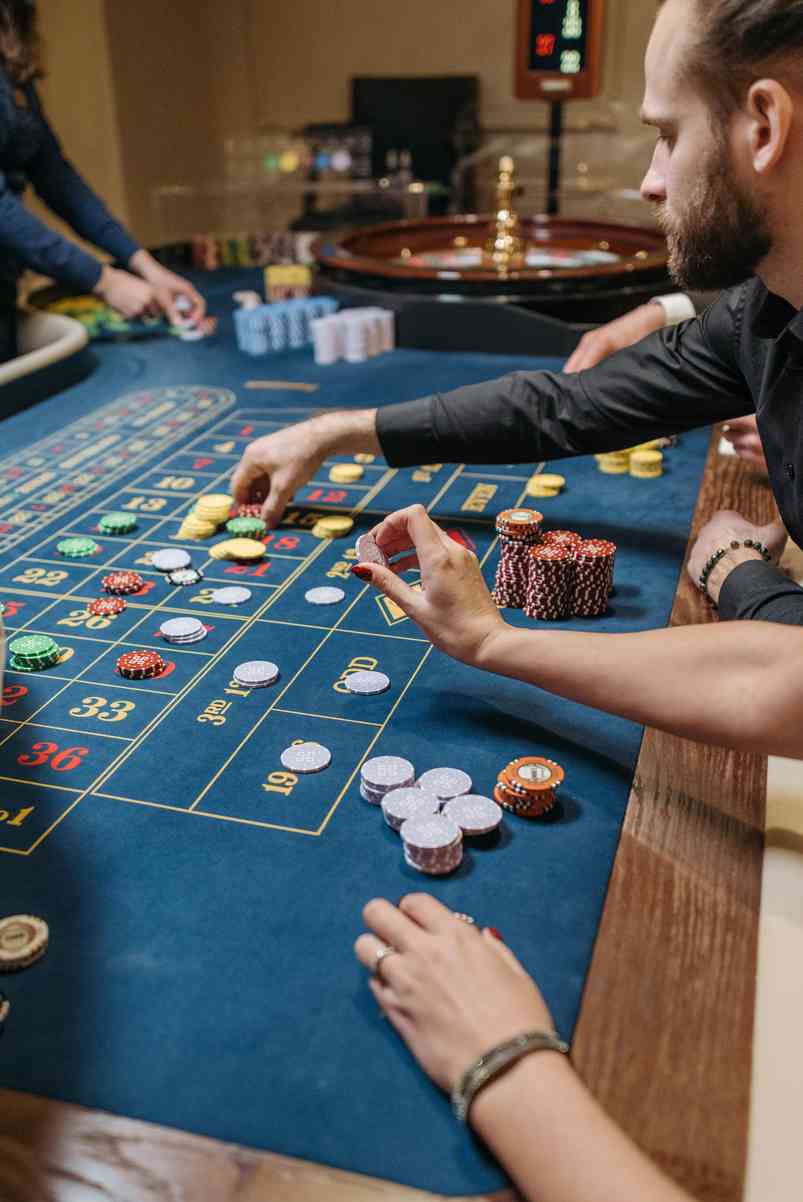
Additionally, diversifying their bets and setting stop-loss orders can help players manage their risk and avoid significant financial losses.
Setting a Budget: Knowing Your Limits
Setting a budget is the first step in effective bankroll management. By knowing your limits and sticking to a strategy, players can avoid overspending and financial losses.
Additionally, tracking your spending and monitoring your progress can help players stay on track and make informed decisions.
Responsible Gambling: Keeping the Love Alive (Without Getting Burned)
Responsible gambling is essential for players who want to enjoy a long-term relationship with casino games. By recognizing the signs of problem gambling and seeking help when needed, players can avoid financial losses and emotional distress.
Additionally, maintaining a healthy relationship with casino games requires a balance between fun and responsibility. By setting limits and sticking to a strategy, players can enjoy the thrill of casino games while avoiding the potential pitfalls.
Recognizing Problem Gambling: Signs and Symptoms
Problem gambling can be a serious issue for players who are unable to control their behavior. By recognizing the signs and symptoms, such as chasing losses and ignoring responsibilities, players can seek help and avoid financial losses and emotional distress.
Additionally, seeking help is essential for players who are struggling with problem gambling. By reaching out to support groups and seeking professional help, players can overcome their addiction and maintain a healthy relationship with casino games.
FAQ: Your Burning Questions About Casino Game Strategies Answered
What is the best strategy for winning at a casino?
The best strategy for winning at a casino depends on the game being played. However, basic strategy and bankroll management are essential for any player who wants to minimize their losses and maximize their gains.
Are betting systems like the Martingale effective in the long run?
Betting systems like the Martingale can be risky and ineffective in the long run. By understanding the risks and potential pitfalls, players can avoid financial losses and emotional distress.
How important is luck versus skill in casino games?
Luck plays a significant role in casino games, but skill and strategy can also be important factors. By understanding the game and developing a strategy, players can improve their chances of winning and minimize their losses.
